
GRC · Product thinking
Compliance failures are usually systems failures, not missing policies
Policies, controls, and processes often already exist. What is missing is connection: risks to assets, controls to risks, evidence to controls.
AEK Tech
Enterprise engineering company

Compliance failures are rarely about missing policies. They are usually systems failures.
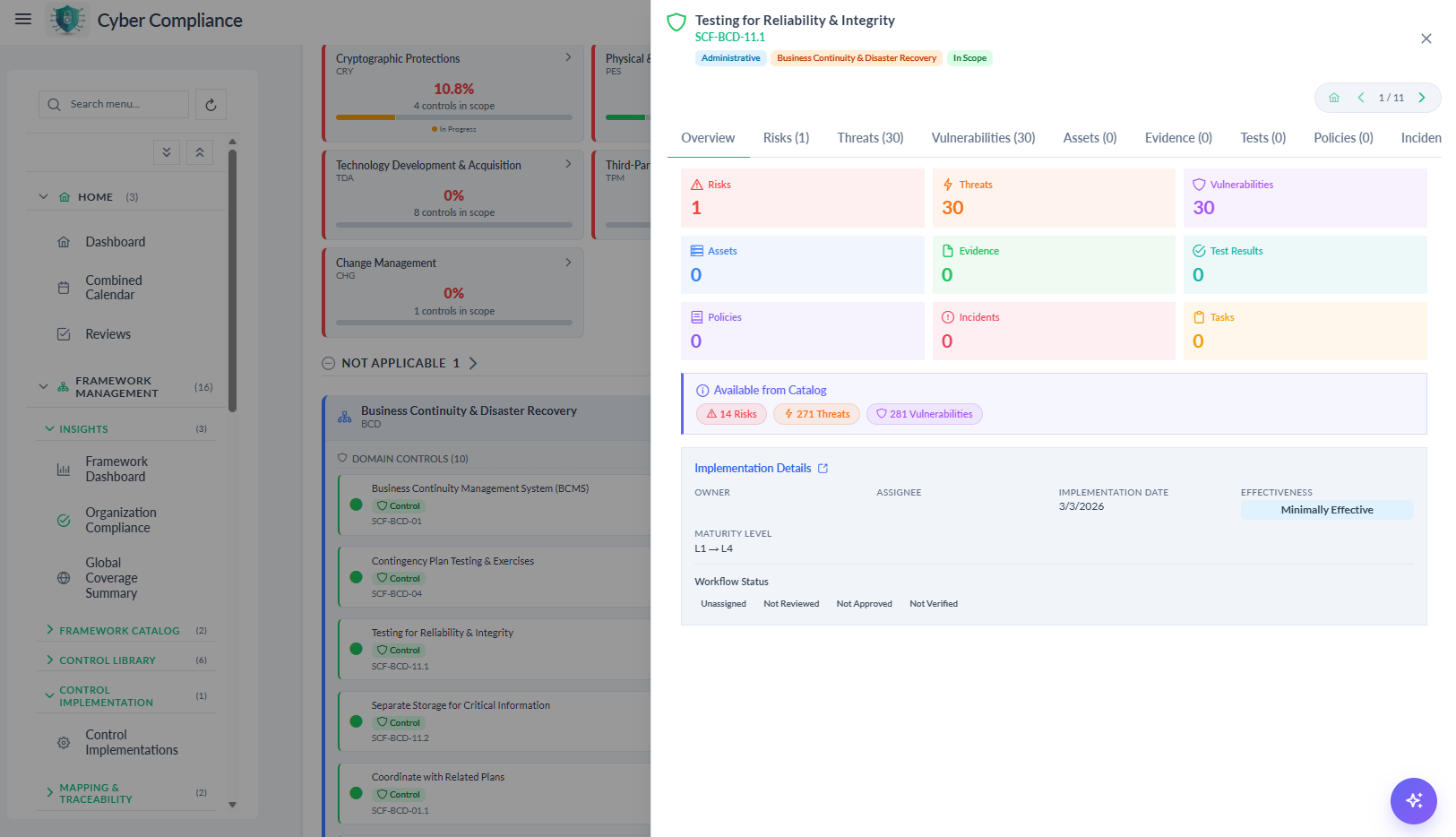
Policies often exist. Controls often exist. Processes often exist. What does not exist is connection.
- Risks not linked to assets
- Controls not linked to risks
- Evidence not linked to controls
- GDPR activities not linked to security controls
- Vulnerabilities not linked to business impact
Everything lives in separate tools, spreadsheets, and documents. That creates a dangerous illusion of compliance. Visibility is not the same as alignment.
Compliance as a relationship problem, not a documentation problem. Frameworks make sense. Disconnected systems do not.
What that changes when you build
If compliance is a set of relationships, the product has to model those links. Not just nicer PDFs. That is the lens behind Enterprise GRC Platform: frameworks, risks, controls, evidence, GDPR activity, and work items that can actually point at each other.
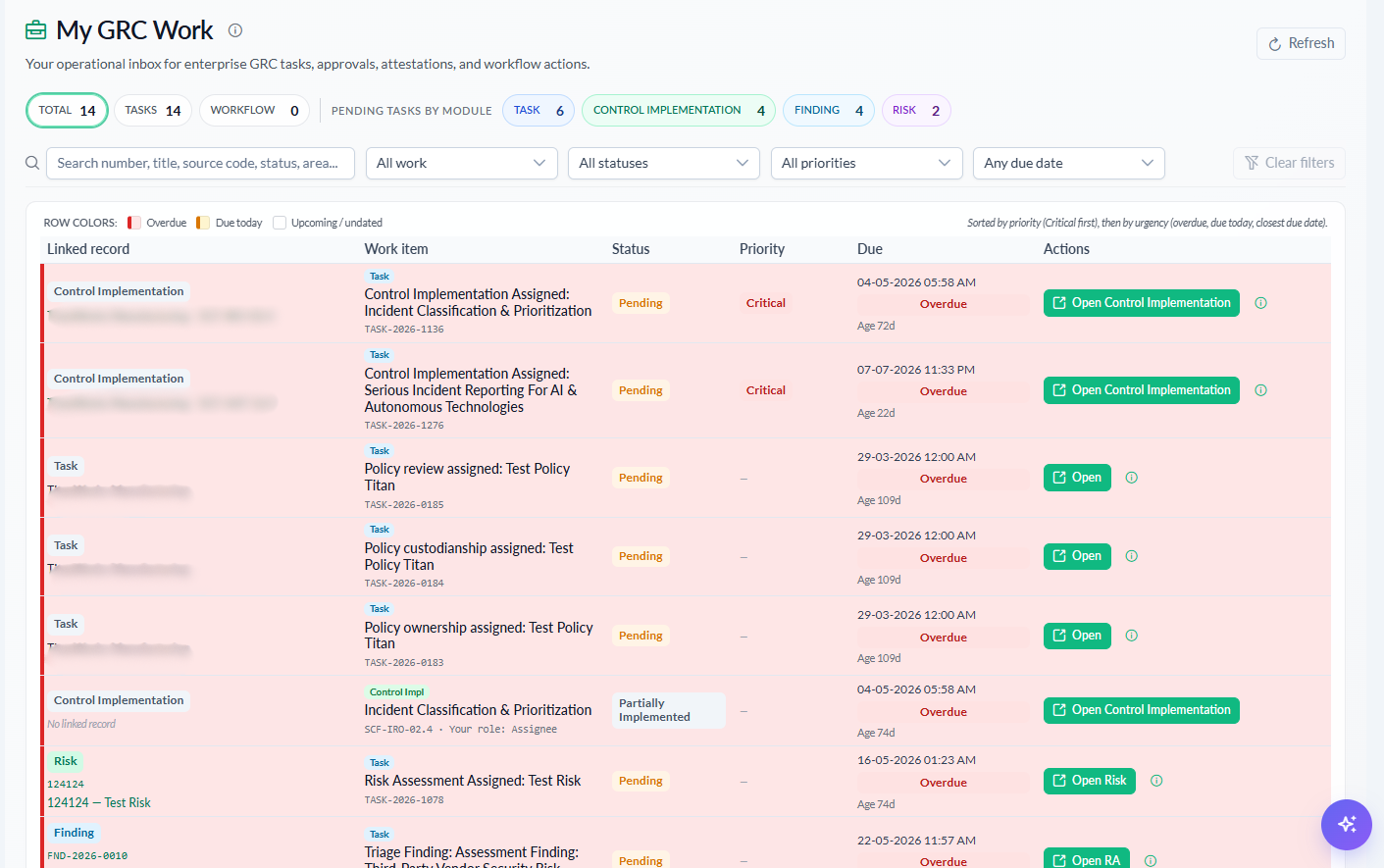
The same idea shows up in day-to-day work. Governance is not only storing a policy. It is getting the right work to the right person, with a trail. A unified work inbox only helps if the underlying objects are already related.
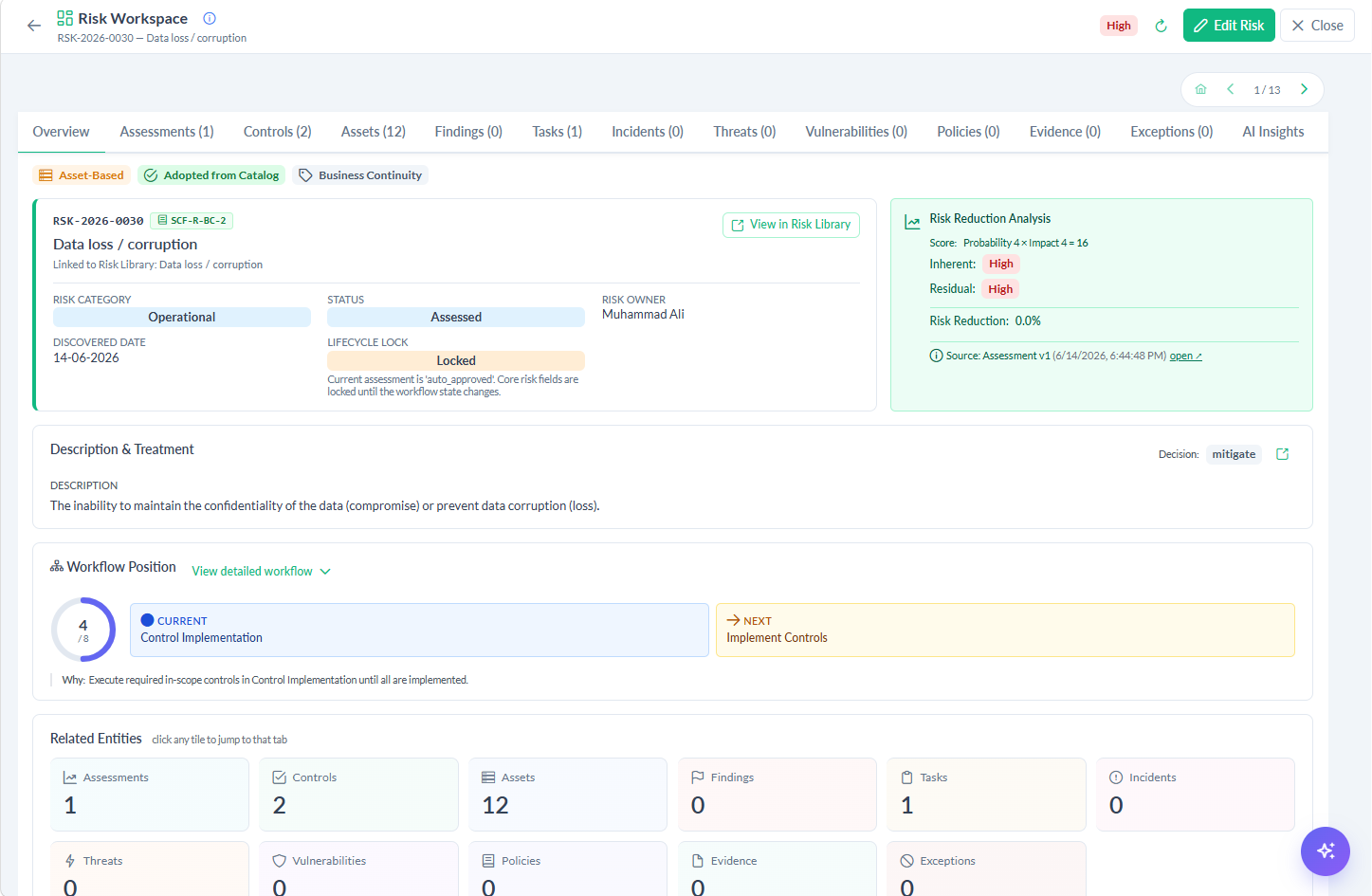
Risk scoring fits the same picture
Once the objects are linked, risk scoring can be a clear pipeline instead of a subjective spreadsheet: inherent risk, control effectiveness based on how controls actually perform, residual risk, then treatment.
Connect the objects. Enforce with rules. Execute with workflows. Everything else is decoration.